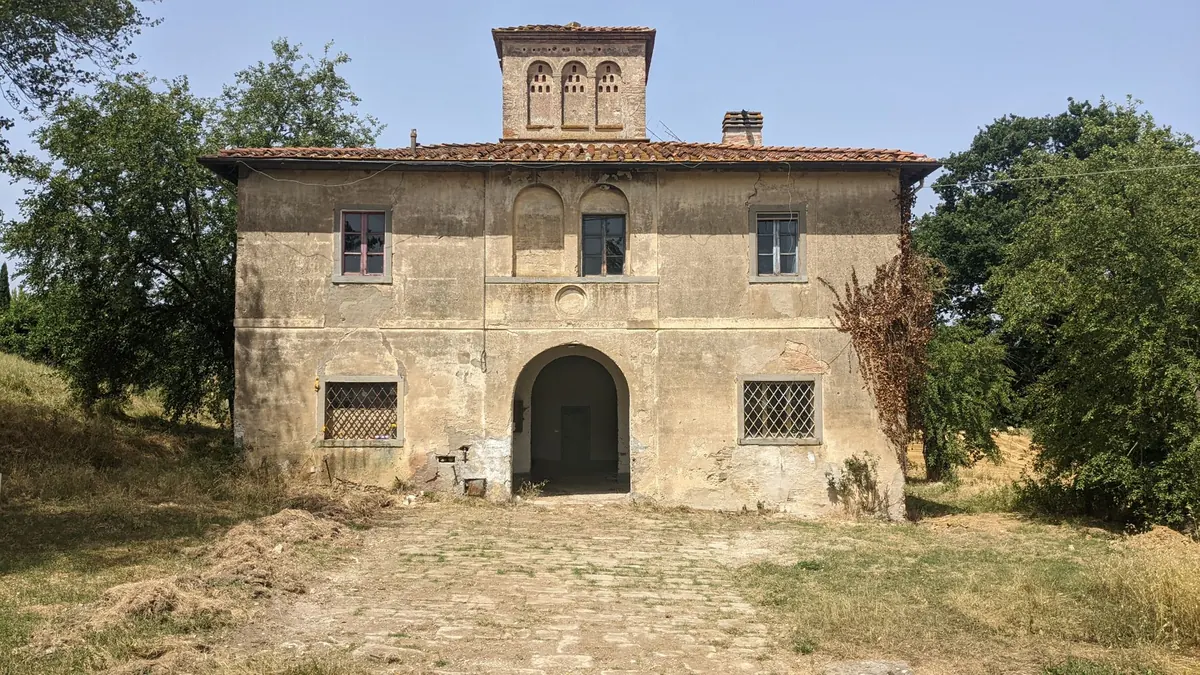
Buying your first home in Italy can feel like a test of patience disguised as a house hunt. The listing photos are charming, the agent is friendly, and then someone asks for a visura catastale, an APE, and a statement of unpaid condominio charges. That is the moment to slow down. A good purchase is not the one you rush; it is the one you understand before you sign.
This checklist walks through the twelve checks that matter before you make an offer. It is written for a first-time buyer, not a property professional, so the language stays plain and the steps stay practical. Treat it as a map, not a substitute for a notaio, lawyer, geometra, or commercialista who can review your specific file.
Step 1 — Price the whole life of the home, not just the mortgage. The monthly mortgage payment is only one line. Add condominio fees, utilities, TARI, insurance, routine maintenance, and a realistic repair fund. A flat with a large condominio budget can cost more each month than one with modest shared expenses, even at the same asking price. Ask for the current condominio budget and recent minutes, then keep an emergency reserve for the boiler, the roof levy, or the unexpected.
Step 2 — Get a mortgage pre-approval before you fall in love. A bank’s informal pre-assessment helps you set a ceiling, but a delibera mutuo is stronger. It tells sellers you are serious and reduces the risk of losing a deposit because financing fails. Avoid changing jobs, taking new credit, or making large unexplained transfers while the file is open. The bank will order its own perizia, and that valuation can differ from the asking price.
Step 3 — Add the purchase costs and tax treatment. In Italy, the buyer usually pays registration tax or VAT, notary fees, agency commission, mortgage fees, and any technical checks. Primary-residence reliefs can apply if the legal requirements are met, but do not assume. Ask the notaio and a commercialista to confirm your position before you offer. Budget separately for furnishing, immediate repairs, and the first utility bills. This is general guidance, not tax advice.
Step 4 — Sort your personal documents early. You will need a valid ID, codice fiscale, proof of income, bank statements, and details of any existing loans. If you are self-employed or have foreign income, prepare extra documentation and allow more time. Keep a single digital folder and a paper file; agents, banks, and notaries will ask for the same documents more than once.
Step 5 — Build a small team before the pressure starts. You do not need an entourage, but you do need the right people. A notaio will handle the deed and check the legal chain. A lawyer can review the proposta and preliminary contract if the purchase is complex. A geometra or architect can check plans, conformity, and condition. Ask about fees in advance and get the scope in writing.
Step 6 — Request the property document pack. Before you make an offer, ask the seller or agent for the documents that explain what you are buying. A basic pack usually includes:
Missing documents are not automatically a red flag, but they are a reason to ask questions. Older properties often have imperfect paperwork; what matters is whether the gap can be fixed and who pays for it.
Step 7 — Visit with a professional, not just a friend. A second viewing is useful; a technical viewing is better. Look for damp patches, cracks, poor ventilation, old wiring, and signs of rushed renovation. Check water pressure, windows, heating, and the orientation of the rooms. If the property has a cellar, parking space, terrace, or garden, confirm that it is legally part of the sale and not a shared or borrowed space.
Step 8 — Verify urban and cadastral conformity. The layout on the planimetria should match what you see. An extra wall or a converted attic may be harmless in daily life and a problem at the bank or notaio. A geometra can compare approved plans with the current state and flag difformità. Ask who will regularise any discrepancy, by when, and at what cost. Do not accept “it has always been like this” as a legal answer.
Step 9 — Read the condominio like a small company. The minutes tell you more than the brochure. Look for approved extraordinary works, disputes, unpaid charges, and recurring problems such as lift repairs or roof leaks. Check the millesimi and how costs are split. Ask the amministratore for a written statement of the seller’s position. Buyers can be exposed to some unpaid condominio costs, so have the notaio handle any arrears at closing.
Step 10 — Confirm who owns what, and whether anyone else has a claim. The seller must be the registered owner, or have valid authority to sell. Check for mortgages, liens, servitù, and pending disputes. Inheritance and donation files deserve extra attention; a notary may need to trace the chain of ownership. If the property is jointly owned, all owners should consent. This is the point where a lawyer’s review is cheap insurance.
Step 11 — Read the proposta di acquisto before you sign it. The offer is not a casual note. It can include the price, deposit, deadlines, included fixtures, possession date, and conditions. A sospensiva mutuo makes the deal conditional on mortgage approval; sellers may resist it, but without it you may risk your deposit if financing fails. Check the caparra confirmatoria wording carefully. If you withdraw without a contractual right, you can lose it; if the seller withdraws, you may be entitled to double. Ask a lawyer to explain the clauses in plain language before you sign.
Step 12 — Run the final offer-stage checks. Before signing, confirm the seller’s identity and authority, the property’s cadastral and urban status, the condominio position, and the list of what stays. Check the deposit method and receipt, the agency commission, the deadline for the compromesso, and the date of possession. Make sure the offer says what happens if the bank’s perizia is lower than the price or if the sale falls through. Keep copies of everything. Never pay a deposit without a written contract and a clear receipt.
When the offer is accepted, the clock starts. The compromesso should repeat the key terms and set a realistic closing date. The notaio will prepare the deed, check the title, and calculate the taxes. Arrange the final meter readings, keys, and condominio handover. If something feels vague, ask for it in writing.
Before you call the agent with a number, do this in order: set your full monthly budget, get a mortgage pre-approval, calculate purchase costs, collect your personal documents, request the property pack, book a technical viewing, check conformity, review the condominio, verify the title, read the proposta, and confirm the deposit terms. That sequence turns a hopeful offer into an informed one. It also gives you a clean reason to walk away if the paperwork or the building does not hold up.
Buying in Italy rewards curiosity and patience. Ask for the documents, keep the professionals close, and leave room in your budget for the unexpected. The right home is worth the extra checks; the wrong one is much easier to avoid before you sign.
Photo: Jakub Zerdzicki / Pexels
A practical room-by-room walkthrough for open houses, focused on spotting red flags, awkward layouts and maintenance...

A simple room-by-room routine that keeps a home tidy in fifteen minutes a day, so weekends stay free for the things...

Renting and buying in a mid-sized Italian city involve very different upfront bills, monthly costs and exit options....

News and insights for your home.